
ISIS isn’t the Only Problem; Meet the Youth
- Jan 27, 2017
- 2 min read
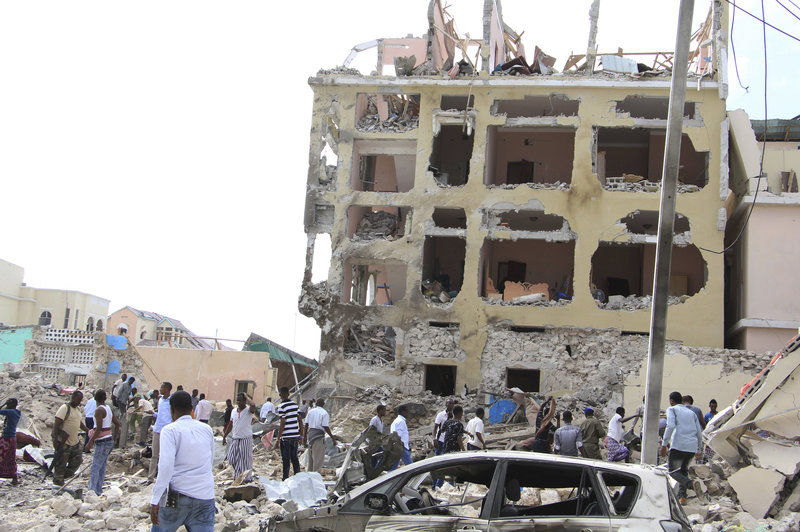
Al-Shabab is a radical Wahhabi Islamic group that bombed Dayah Hotel this Wednesday in Mogadishu, Somalia (the capital city). A car bomb was set off in front of the hotel’s gate before the members mobbed into the Dayah to let off a second bomb. Approximately 28 died, and a dozen more were wounded. Other patrons were able to survive by hiding under beds or jumping out of the window, according to NPR. Four “martyrs” were killed by security. This attack was in response to Somalia recently establishing a Parliament and planning for their first presidential elections since 1969.
Al-Shabab is Arabic for “The Youth.” It’s a terrorist group banned by the US and its allies, whose mission is to put their controlled territories under strict Sharia Islamic rule. This group was a member of the Islamic Court Union (ICU) established after Somalia was relieved of a violent anarchy, reported by The Guardian’s Mukoma Wa Ngugi. The ICU was able to establish loose civil order by uniting Mogadishu, building infrastructure and providing security, which the majority of Somalians agreed with. The US and other western powers were concerned with the collation because it included moderate and militant radical groups like al-Shabab. Consequently, the US approved of Ethiopia invading Somalia to ultimately dismantle it.
Since the disbanding of the ICU, branches either went into hiding or linked with radical groups to gain control. Al-Shabab linked with al-Qaeda and launched random attacks. BBC reported they killed 148 people at the Christian school, Garissa University in Kenya, just two years ago. But why? “Revenge,” says a militant in prison to a Kenyan civil rights lawyer. This is a response to raids and disenfranchisement done by Ugandan and African Union troops. Somalia has been a warzone; the people have been victimized by foreign and domestic forces. Many of these young men have no access to wealth, with legal work offering less than $1 a day. There is no emphasis on formal education; often the educators don’t have one. Al-Shabab vigilantes act to liberate their people and push back on official leadership that does not align with the ideologies of the majority.
This is the quintessence of a recipe for disaster. Much like gang activity in the United States, youth stripped of opportunity, hope and liberty react in the most extreme ways. Oppression creates resistance, humane or otherwise. Many of the al-Shabab prisoners regret their actions, but after suffering in jail their first response is revenge against the unjust. The same pattern can be seen with the recidivism rates in the US. There is no crystal ball we can look into to see if the ICU would have been destructive to their country, but we see that the splintering of the union was. The US and the UK were concerned that the moderate fractions could not keep the militants in line, but without their influence (with most moderates in hiding), it’s guaranteed that they won’t. The official leadership of all countries involved had a hand in promoting the disorder and destruction that led to the Dayah Hotel attack, because the root issue was not addressed. We can ban al-Shabab, ISIS, and now Muslims from select countries, but until we ban oppression, the foreign and domestic resistance attacks will continue.


Comments